Est. 1828
Two rivers. One well.
Two centuries.
At the place where two rivers meet, in the shadow of Cockermouth Castle, we continue to brew beers that bring people and place together.
"We were born by water, close to the River Cocker. Named after an ancient Cumbrian word meaning crooked, because of the wiggling way it ran through the land."
Two centuries of brewing
-
1828
Beginnings in Lorton
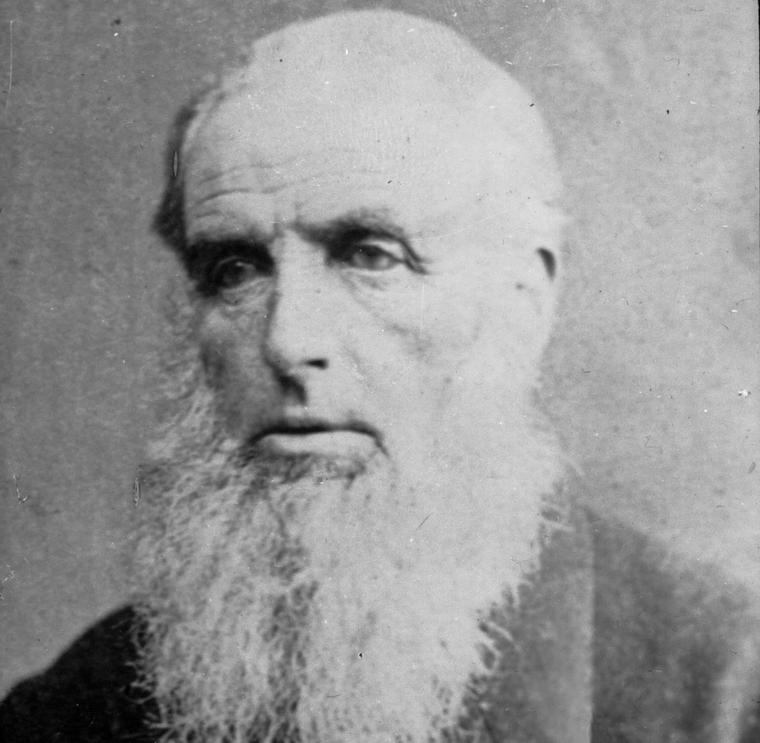
John Jennings raised a mortgage of eight hundred pounds and set up a brewhouse in the Lake District village of Lorton, in the Cocker valley. Within a year he was listed as a brewer in the Cumberland directory. The family brewery had begun. It was taken over by John’s son, also John. And, in turn, two of John Jnr's sons (Joseph Henry and John Brown Jennings) joined and then led the family firm. Jennings beer was hugely popular in the local area and notables such as William Wordsworth (born in Cockermouth) almost certainly drank it.
-
1874
The move to Castle Brewery
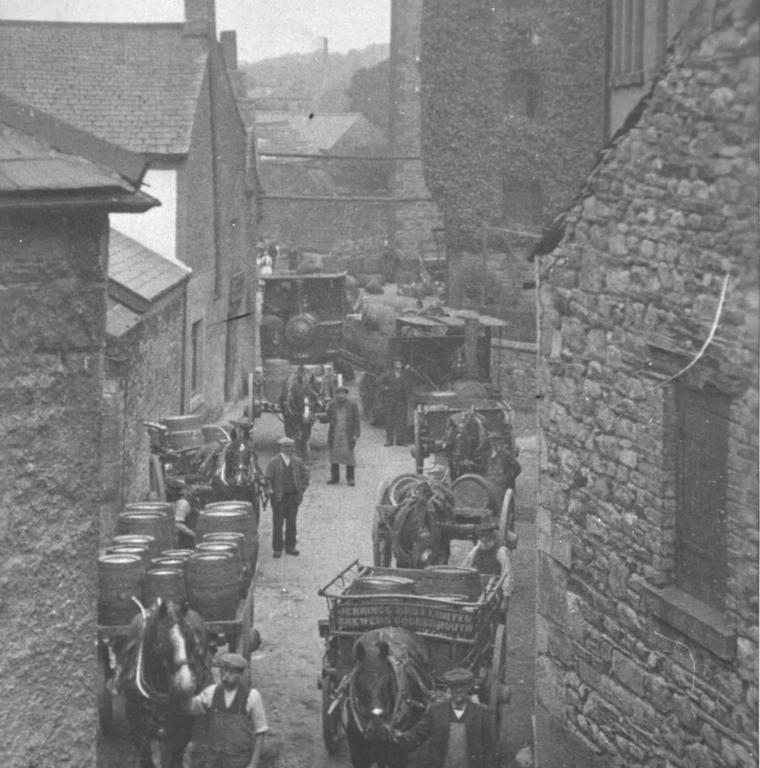
With beer sales running at an all time high in Britain, the Jennings brothers bought the Old Brewery in Cockermouth, beneath Cockermouth castle. There had been brewing at the Castle Brewery for at least 100 years before it was bought by the Jennings Brothers. In 1795, it was up for sale and even then, it was known as the 'Old Brewery'. It’s likely that its origins go much further back, possibly as the brewery for the medieval castle. This site became known as the Castle Brewery, and the Jennings brewery has stood on this site ever since. The Lorton premises closed in 1881.
-
1884
Sinking the well
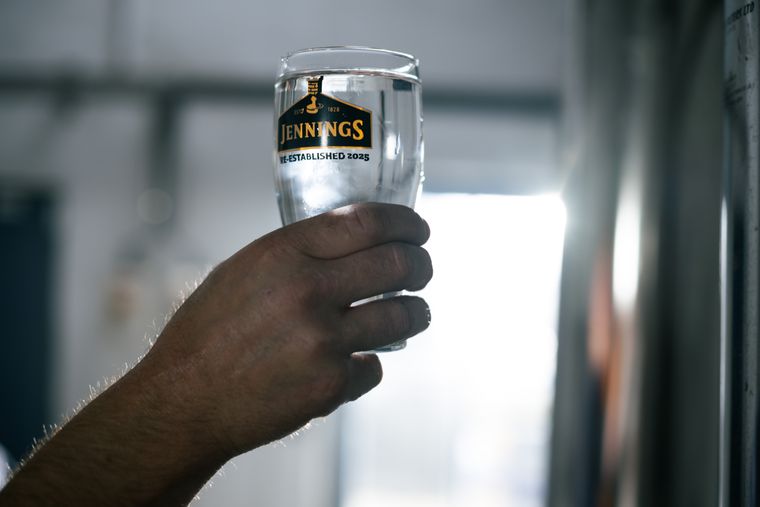
The brothers sank a well beneath the brewery, tapping the water that still supplies every Jennings beer brewed today.
-
1887
A company of the town
The Jennings brothers - Joseph and John Brown, along with a third brother, Isaac who was a lawyer and became the chair of the company - were expanded rapidly during the 1880s. They began to buy pubs as tied houses, an excellent means of shoring up beer sales. They quickly amassed 23 in Cockermouth and in surrounding towns. At the same time, they expanded the capacity of the brewery. In 1887, the three brothers turned Jennings Brothers into a limited company. Perhaps encouraged by the 1886 Guinness brewery flotation, which raised £6 million. The brothers raised a more modest £30,000. Shares were distributed among ‘tenants, customers, housekeepers, clerks, teachers, miners, grocers, joiners, station-masters, farmers, blacksmiths, coachmen, drapers, builders and farmhands’.
-
1889
The maltings rise
At a cost of ten thousand pounds, the five-storey maltings were built, a landmark on the Cockermouth skyline.
-
1895
Forty-six pubs
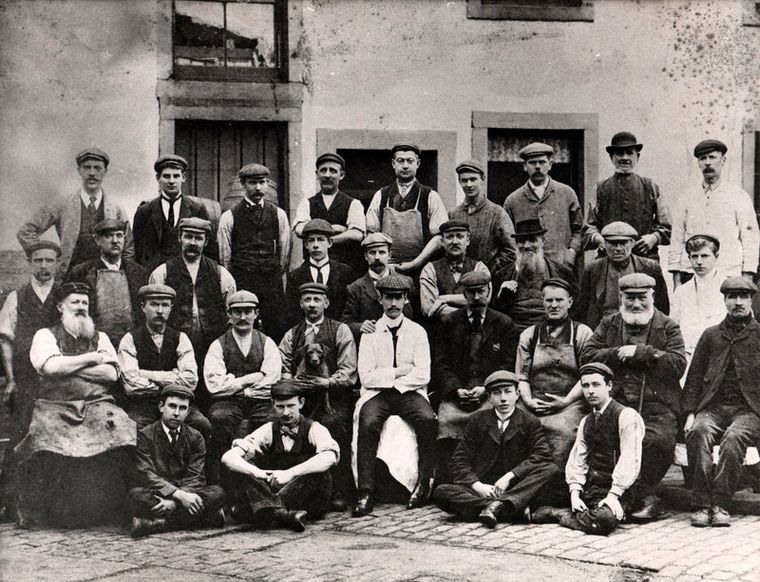
By now Jennings owned forty-six tied houses across Cockermouth and the towns around it, carrying the beer the length of West Cumbria. Most of these pubs were borrowed against and the road to financial stability was bumpy. In 1899, the directors tried to sell off the company. The Jennings brothers themselves resigned or were fired from the board and, in quick succession, John Jennings died in 1896, at the age of 40, and Joseph Jennings in 1899 at 48, leaving the family in financial instability. It was not until the early 1900s, when the company joined forces with Joseph Dalzell’s Parton & Harrington Breweries Ltd, that Jennings Brothers began to show profits again. In 1916, the last Jennings family member involved with the company, Isaac Jennings died. He had had a difficult relationship with the board after his brothers had been pushed out, but his legal knowledge was invaluable for the company.
-
1920s
A regional brewery
Jennings bought out four West Cumbrian breweries and, in 1926, Faulders of Keswick with its nine pubs. By the 1970s it was the last major independent brewery in Cumbria.
-
1975
The beers take shape
By the 1970s, Jennings Bros. was the last major independent brewery in Cumbria. The closure of the State Management Scheme in Carlisle created opportunities and the company purchased eight pubs in the city, against fierce competition. Bob Monk was recruited as head brewer and some of the more familiar beers were introduced soon after: Castle Bitter in 1975 and Cumbria Pale Ale in 1978. The beers that would come to define Jennings were finding their form.
-
1986
A new brewhouse
By the 1980s the company’s outlook was optimistic. In 1986 the climbing legend Chris Bonington opened a new brewhouse and in 1988, Trevor Green became Managing Director. Despite the government’s new brewing industry regulations, he succeeded in bringing the business onto a solid financial footing and has been a huge helping hand in the re-launch of Jennings since February 2025. It was under Green’s watch that the beers – pale, mild, bitter, porter, stout – were renamed. Cocker Hoop, Sneck Lifter and Red Breast were joined by La’al Cockle-Warmer, Golden Host and Cross Buttock. It was also under Green’s supervision that the company acquired new pubs, including Northumbria Inns & Café Inns, expanding into Yorkshire and Lancashire. The Tower Brewhouse in use today was installed later, by PES of Wrexham in 2002.
-
1991
Cumberland Ale
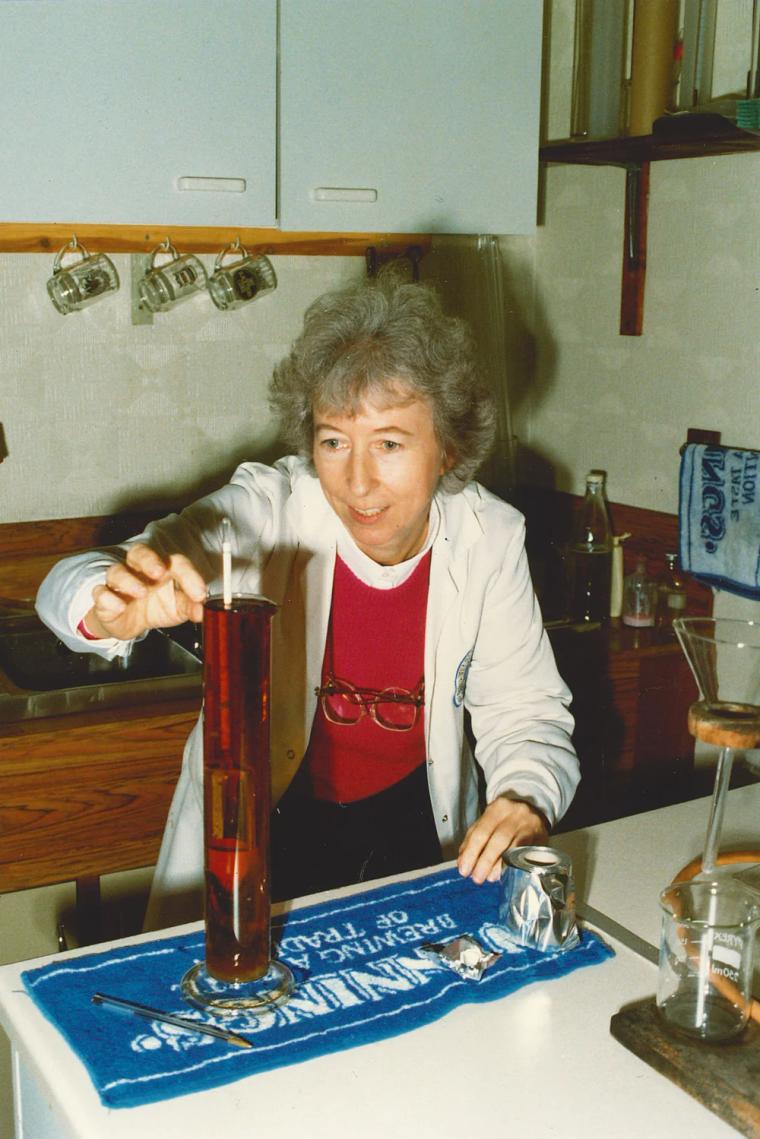
In 1991, Mary Minty developed Cumberland Ale, and in the same year she was only the eleventh woman to be accepted into the Incorporated Brewers Guild. She had started working for Jennings in 1984 and became the only woman 'Second Brewer' in the UK at that time. A rare, but fantastic achievement for Mary and Jennings in the 90s.
-
1999
Award-winning beers
Jennings won multiple beer awards over the years, from organisations including the World Beer Awards, CAMRA and the International Beer Challenge. Beers such as Cumberland Ale, Sneck Lifter and Cocker Hoop were among the popular winners.
-
1999
The Calendar Girls
Jennings has had a long history of supporting the local community, sponsoring sports, community events and charities. Jennings Drays were a highlight of Cockermouth Carnival, going right back to the highly decorated horse-drawn drays in the early 1900s. In 1953 the company gave one of their lorries to the newly formed Cockermouth Mountain Rescue team to use for transport. In 1999, Rylstone Women’s Institute met in their local Jennings pub, the Devonshire Arms in Cracoe, to come up with ways to raise funds in memory of one of their husbands who had passed away from blood cancer. Their idea was the Alternative WI Calendar, featuring traditional WI activities, but in the nude. It was a huge success and Jennings helped distribute the calendar, taking on three extra members of staff to meet the demand. The group raised over six million pounds for charity and were made famous in the Calendar Girls film, which gives Jennings a lovely name-check.
-
2005
Takeover, and the floods
The brewery passed to Wolverhampton and Dudley, later Marston's, against strong local opposition. It flooded three times in a decade, in 2005, 2009 and 2015, each one a heavy blow to the site.
-
2022
The doors close
Wolverhampton & Dudley became Marston’s in 2007 and in 2020 Marston’s merged with Carlsberg. The Covid pandemic hit, the tap room closed, and brewery tours stopped. Brewing was moved to Burton on Trent, and the Cockermouth brewery closed its doors in November 2022 and moved brewing down south.
-
2025
Back home
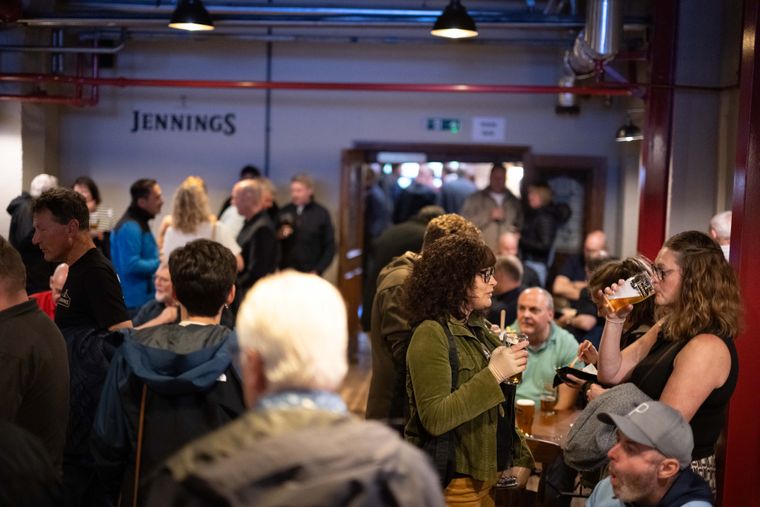
Jennings returned to local independent family ownership, reopening the brewery in 2025. With Chris France leading the team and Buster Grant as head brewer, Jennings is brewing in Cockermouth again, with water from our own well and the finest hops and malts. We are, in our dialect, ‘Back Yam’. Back home. At the place where two rivers meet, in the shadow of Cockermouth Castle, we will continue to brew beers that bring people and place together. We are the real pull of the Lakes.
-
2025
Awards
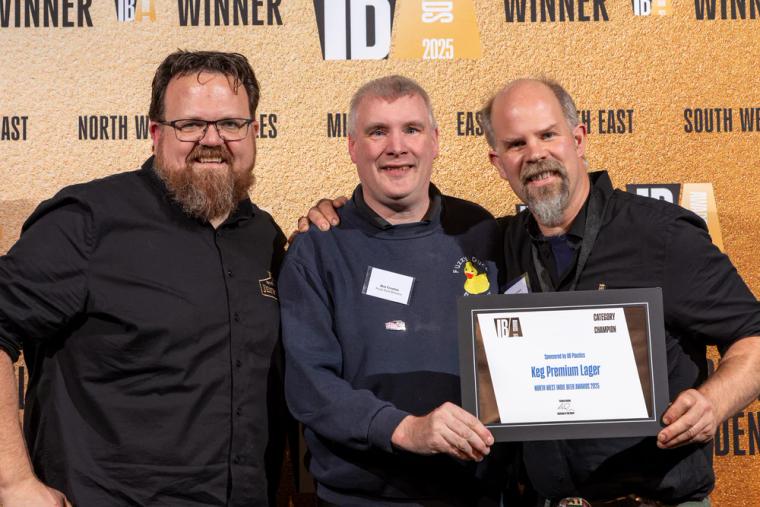
Since we re-established Jennings back where it belongs, we've been recreating the classic recipes, developing new brews and building a team to be proud of. And the awards have been flooding in. These include: Sneck Lifter SIBA 2025 awards Regional bottle / can Amber, Brown and Red Ale (Gold) // Cumberland Ale SIBA 2025 awards Regional bottle / can British Ales (Gold) // Helles Lager SIBA 2025 awards Regional Keg premium lager (Gold) // Derwent Mild SIBA 2025 awards Regional Cask British Dark Beer (Silver) // Best Concept Design SIBA Business awards 2026 (Winner) // Brewery of the year My Local Awards Cumbria 2026 (Winner) // West Cumbria CAMRA Pub of the Season – Autumn 2025. And even Small Business Awards Managing Director of the year (Brewery) (North West). Well done team.
The Water
Drawn from our own well.
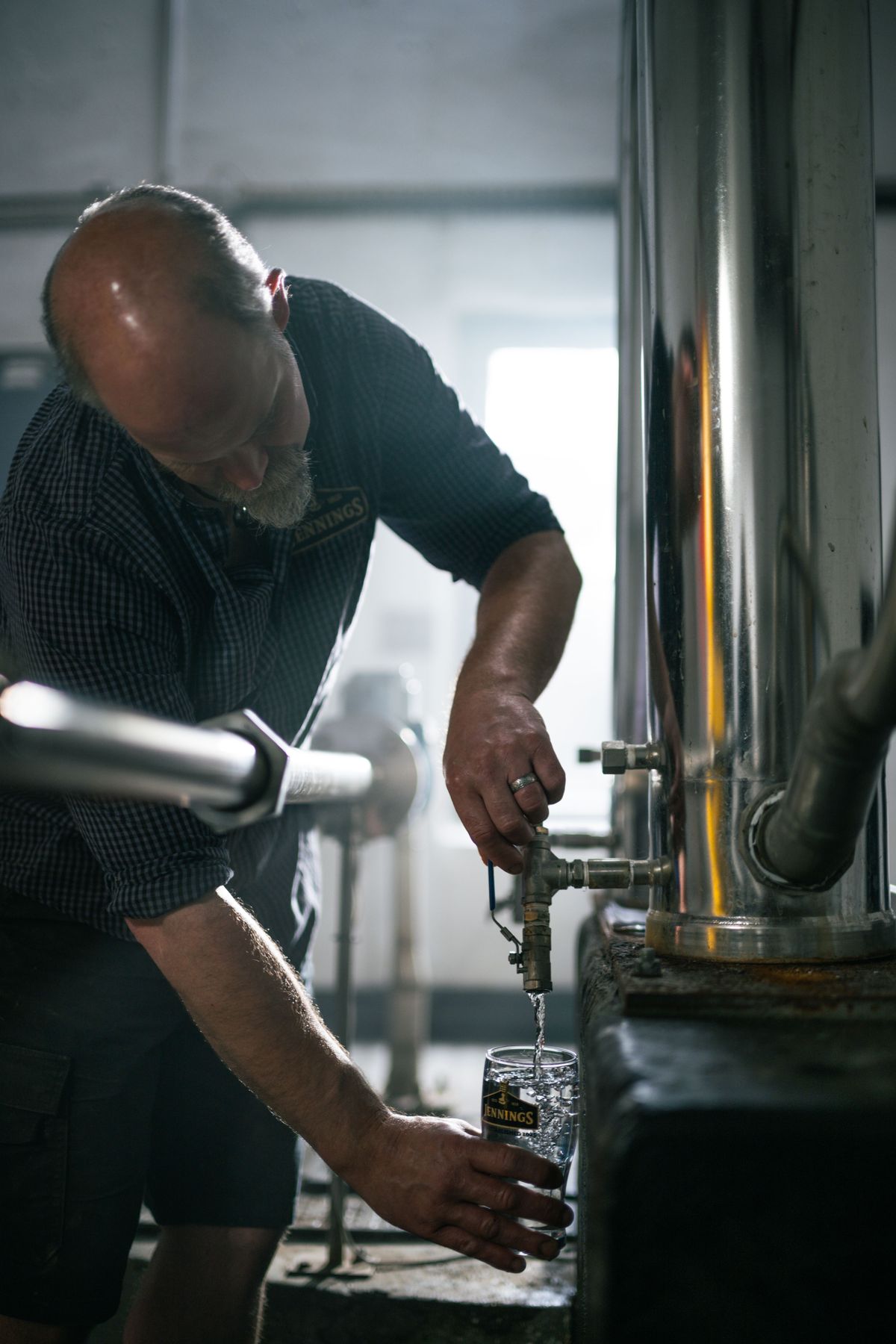
We draw our water from a well beneath the brewery. It is one of the reasons Jennings is brewed here, at Castle Brewery in Cockermouth, and nowhere else. It is not just an ingredient, it is the foundation of all our beers.
Experience
Buster Grant. Head Brewer.
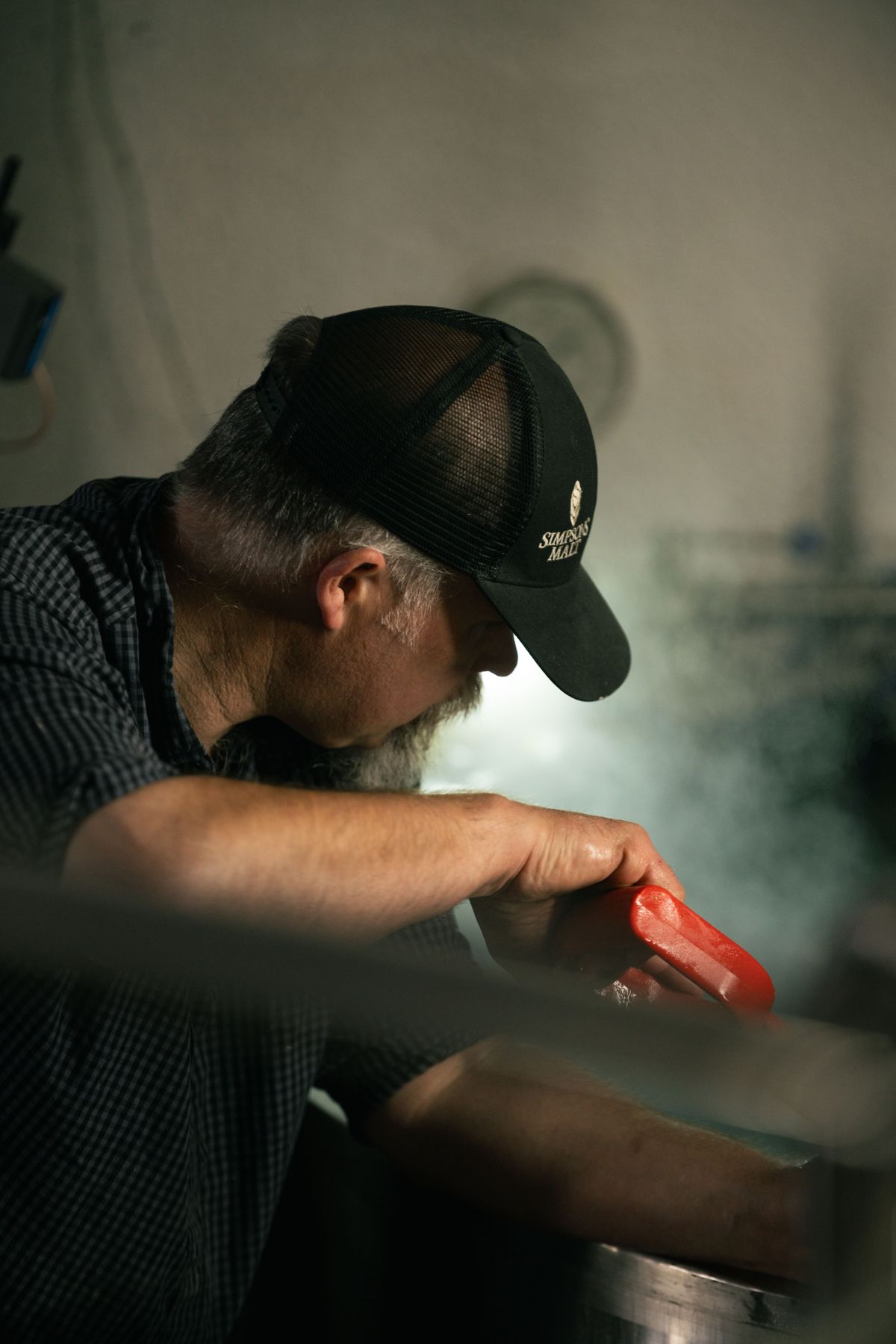
Buster Grant has been brewing for over two decades and he brings a wealth of experience to the Jennings team. A specialist in traditional beers and ales, he has worked at the likes of Batemans and Brecon Brewing, as well as three other head brewer positions. He is also a past Chairman of SIBA, the Society of Independent Brewers & Associates.
Ingredients
The finest hops, malts and yeast
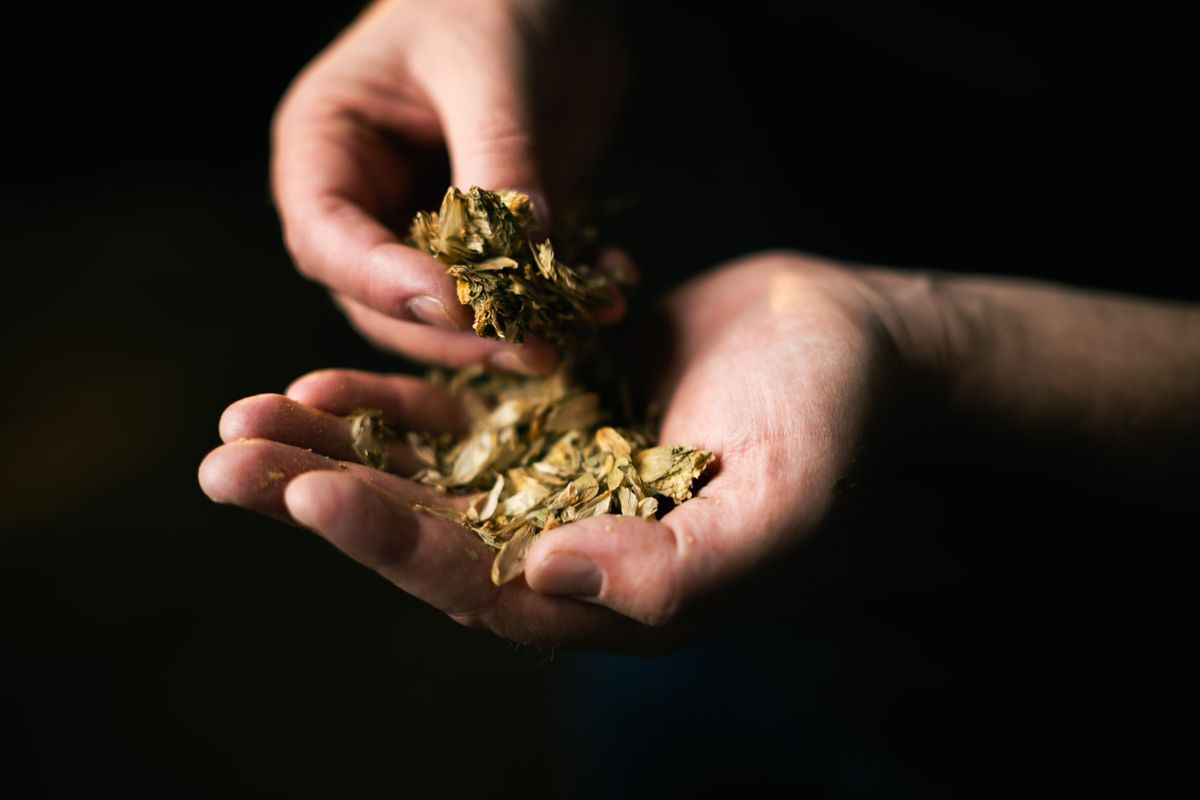
All our beers are made with water, quality hops and malts, and brewing yeast. Whether it is English Fuggles, Goldings or Challenger in our classic core range, or Perle and Tettnang in our Helles, our hops are always the finest. Likewise, the malts in our brews, such as Crystal, Amber, Chocolate, Munich and the ubiquitous Maris Otter, are sourced from high quality, trusted maltsters across the UK.
The Revival
2025
When Jennings Brewery closed in 2022, Cockermouth lost something it never imagined: its heart. So too the Lake District, which, in many people's minds, was synonymous with the Jennings pub sign. Then, in 2025, Castle Brewery and the rights to Jennings returned under local family ownership with a dedicated team. The mission: to bring the legendary beer of the Lake District back home. Beers brewed the right way to the old recipes, while developing new ideas. Buster Grant, one of Britain's most respected names in beer, came on board as head brewer. Chris France, an experienced MD in the beer industry, took the reins as managing director, and Jennings has flourished ever since. Back on the bar of any self-respecting Lake District pub, winning awards and now found in supermarkets up and down the country.
Try the Range"Jennings is the heart of this town. And a taste of the Lakes for people across the world."
The beer of the Lake District for nearly two centuries.