
Where we are from, water matters. It makes the Lake District landscape. It fills the lakes and threads our valleys with life; it pours off the fells in a thousand becks and for thousands of years it has also sustained and shaped the character of the people who live here. Anyone who spends time in this corner of Cumbria can feel it, even on a sunny day. The weather has a tendency to roll in and snag on the tops. The ground holds the rain in lush greens.
Everything here, in the end, comes back to water.
How has water shaped Jennings?
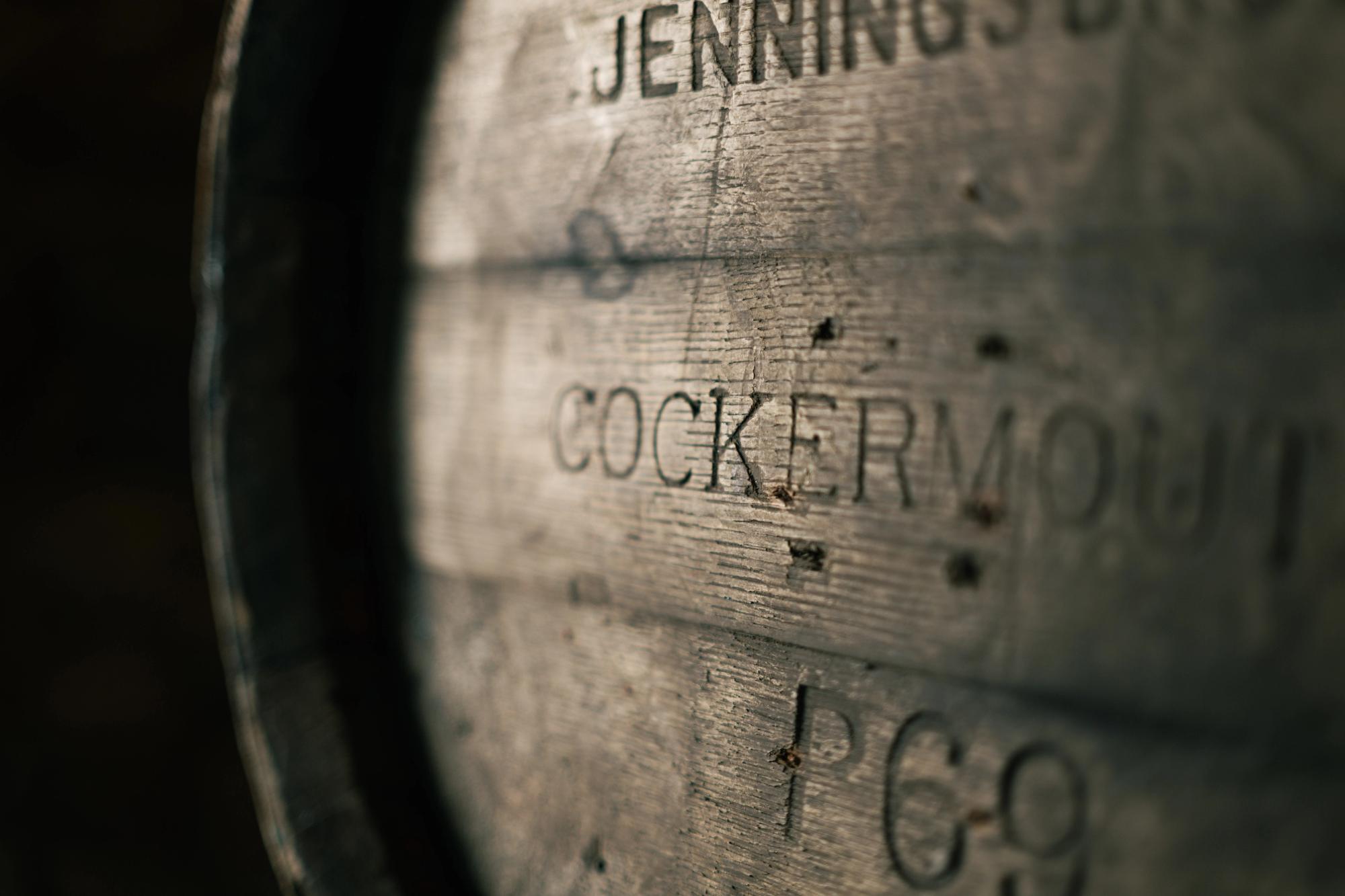
Our brewery was born beside the river Cocker, which rises above Buttermere, runs through Crummock Water and comes down the Lorton Vale before meeting the Derwent at Cockermouth, about twelve miles from source to confluence. The river takes its name from an old Brythonic word, kukra, meaning 'the crooked one', for the wiggling way it works through the land. It named the town which our brewery calls home and, in time, it would name our bestselling beer.
But let's go back. William Jennings was a farmer and maltster. His son John founded the brewery at Lorton in 1828, close to the Cocker river's source. For forty-six years Jennings brewed only there. Then in 1874, with trade booming, the family decided to buy the Old Brewery at the foot of Cockermouth Castle, the confluence point where the Cocker meets the Derwent River. This evolved into the Castle Brewery and it is still where we brew every drop of Jennings. Water shaped that decision too, but not the water of the rivers; rather an ancient well that draws pure, soft Lakeland water from an aquifer below, filtered through the bedrock for millennia. Every Jennings beer is still brewed using this water. It makes us unique in this region and ensures our beer isn't just from the Lake District, but of this place, wherever you drink it.

What does Cocker Hoop mean?
Cocker Hoop is our brewery's dedication to the river we were born beside and our biggest seller, but there is wordplay folded into that name too. To 'cock-a-hoop' is an ancient term believed to date back to medieval England, meaning the moment the spigot came off the beer cask and rested on its iron hoop on top. In other words, the moment the beer would flow freely all night. There would need to permanently be an empty tankard beneath the flowing ale meaning the beer had to be drunk at a mighty rate. No surprise that cock-a-hoop also came to mean happy, elated and over the moon. It is a name that speaks to the fun and joy of an entire room going up a gear.
What makes a great Golden Ale?
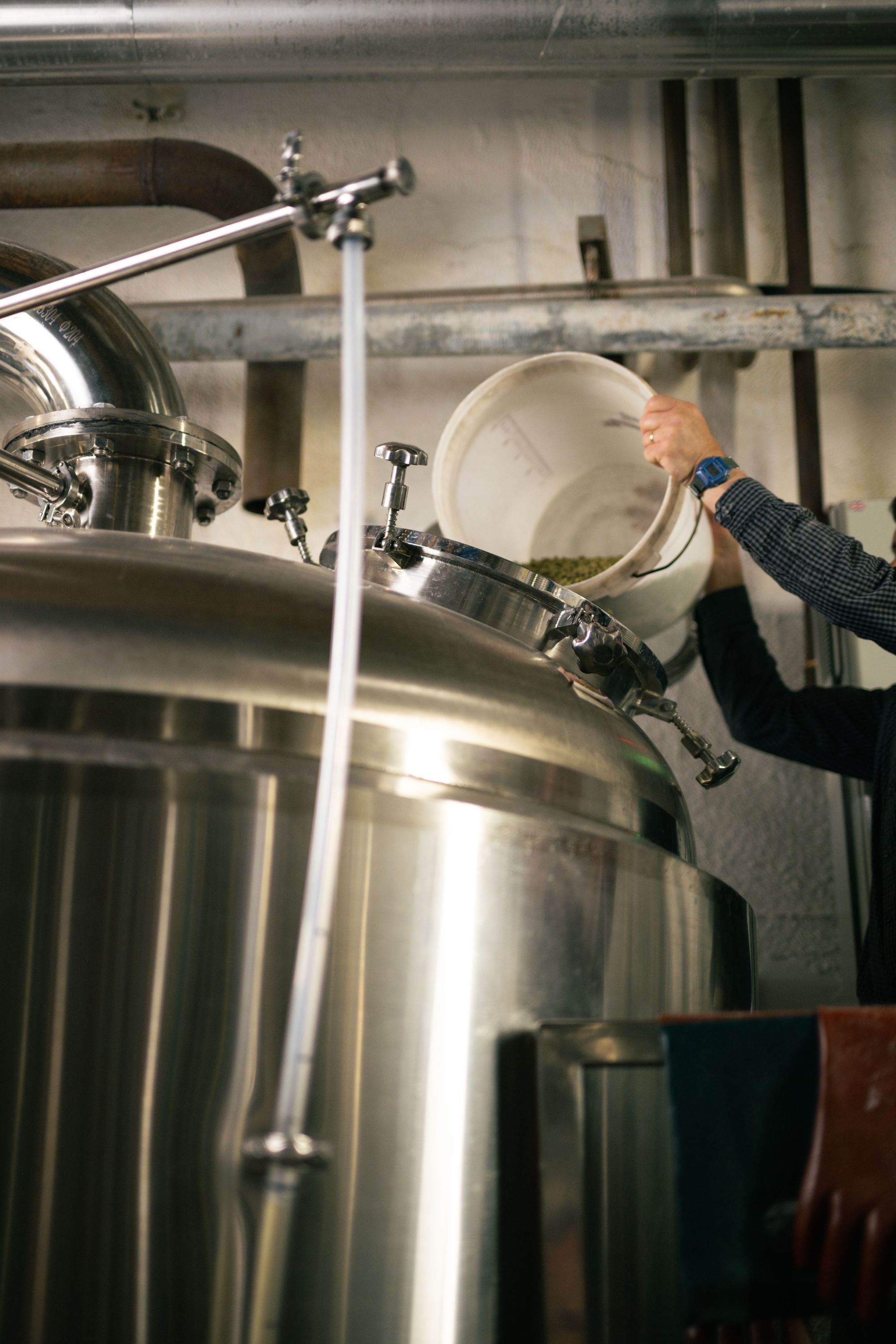
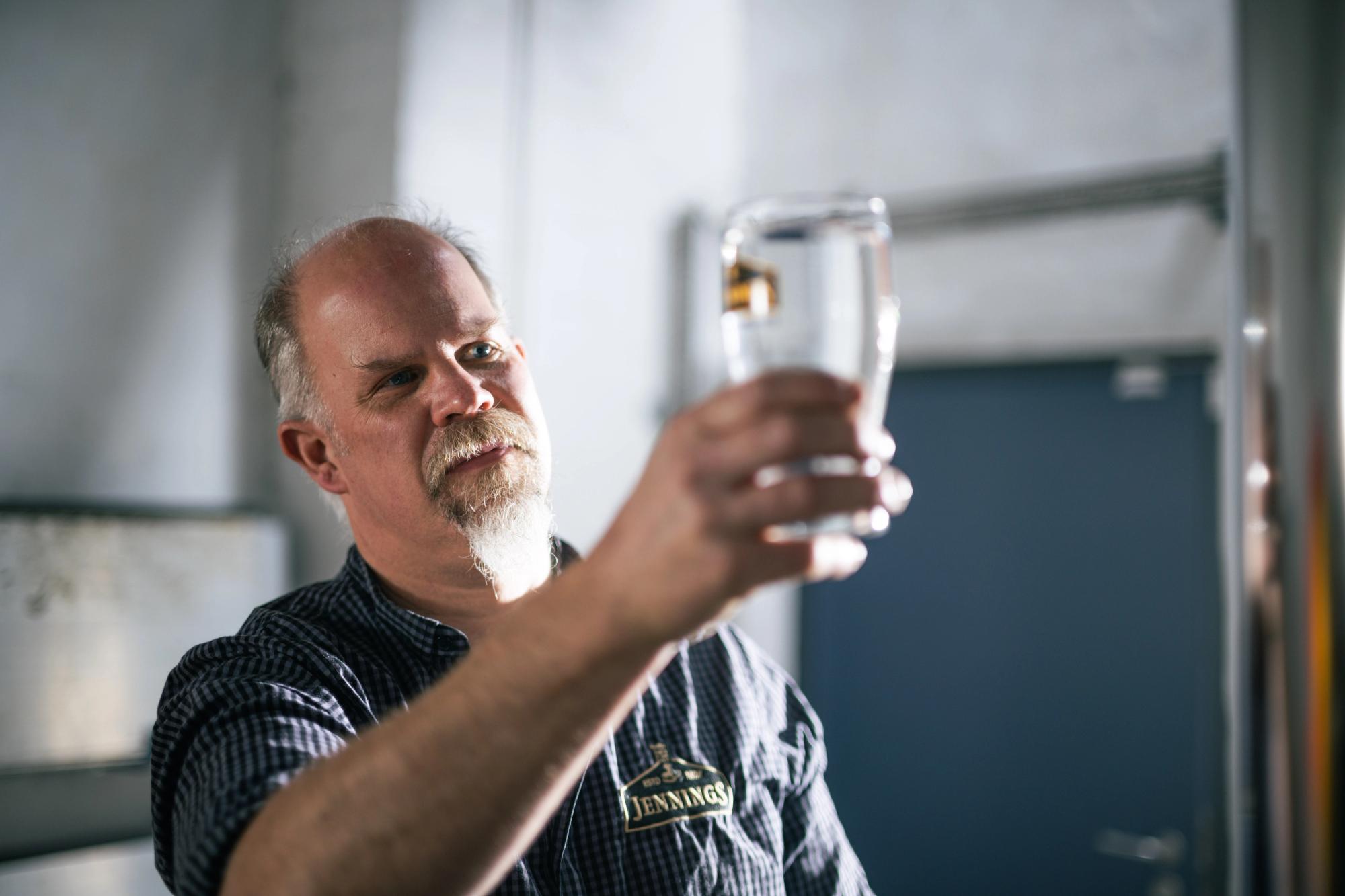
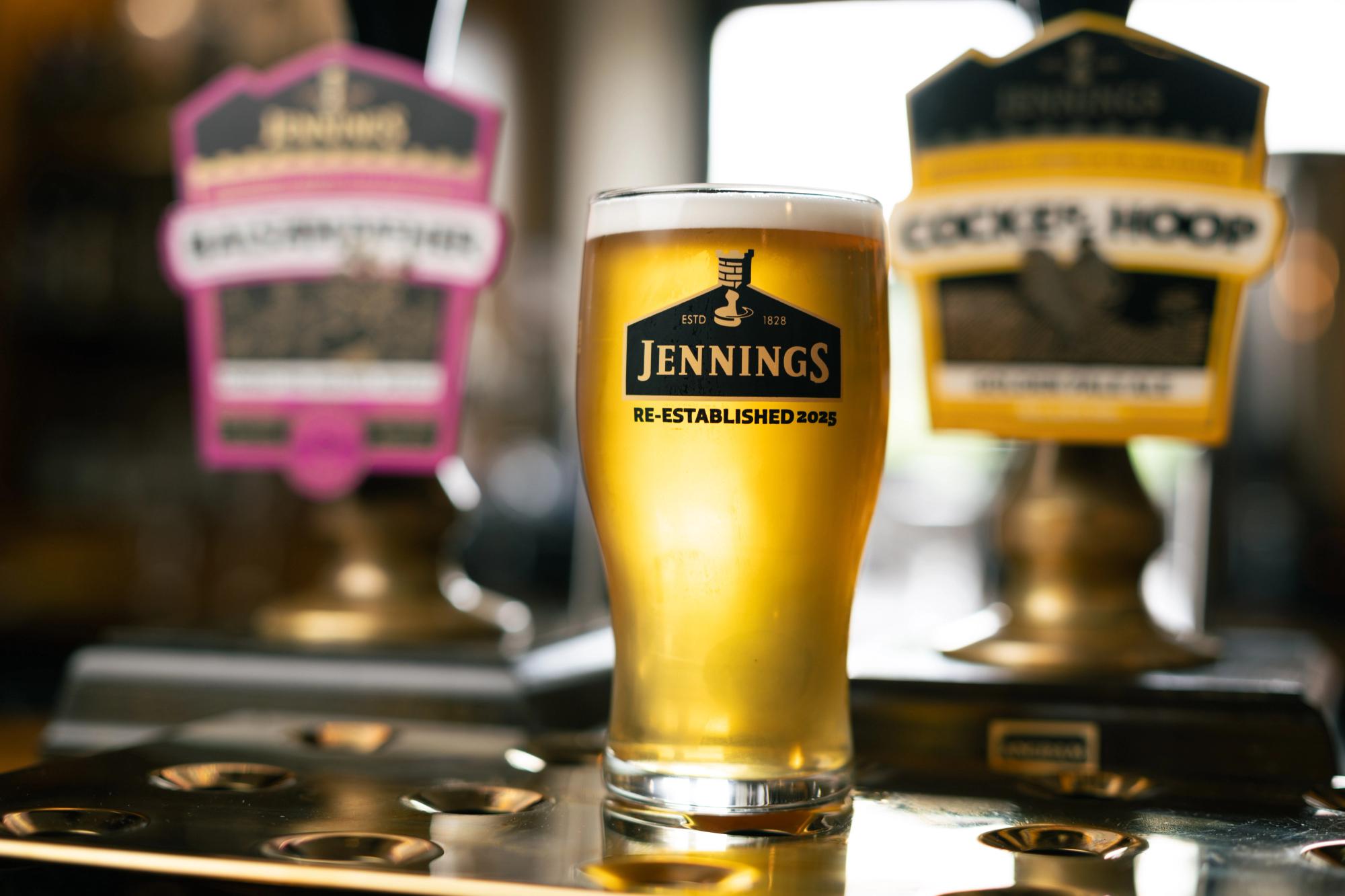
The beer itself has been described as a golden bitter and a golden ale and it was actually the hardest of the range to bring back when the brewery re-established in 2025. Of all the Jennings beers, its recipe has seen the most variation over the years. So Buster Grant, head brewer, first went to the old brewing books and consulted the Jennings history in the archives at the Kirkgate Centre, before working backwards through what the beer had been. He then switched from whole-leaf hop cones to pelletised hops, easier to clean up after and, to his taste, better for the flavour. The first version came back too bitter. So, he adjusted, and tasted, and adjusted again, stopping, as he explains, only when the regulars at the Tap bar were happy.
Those who had drunk it the most and carried the sharpest memory of its taste were very willing guinea pigs. The beer they landed on is a pale golden bitter at 4.6%. Its base is Maris Otter Pale malt from Thomas Fawcett in Castleford, together with a blend of wheat and oats that lends Cocker Hoop its crisp, sunny day, golden colour and a deep, lasting head. The hops come mostly from the Hukins family at Haffenden Farm in Kent: Goldings for a subtle, spicy bitterness and Celeia for a noble, floral citrus aroma. To that pairing Buster added UK-grown Cascade, boosting the aroma, a change that also helped make it a drinker's favourite.
The pure Lakeland water is also instrumental in its creation and having this natural resource on site is a gift. 'Our well water is incredibly soft and pure,' Buster says, 'and that provides the perfect canvas to build whatever style of beer we want.' He does as little to it as he can, adding only the salts a brew needs to give the yeast everything it wants for a clean fermentation.
'When it was released originally, Cocker Hoop was a forerunner of the trend for paler, hoppier beers', he explains. There's no doubt that drinking habits across the UK have proved him right. Today it remains the cask the taproom team changes most often.
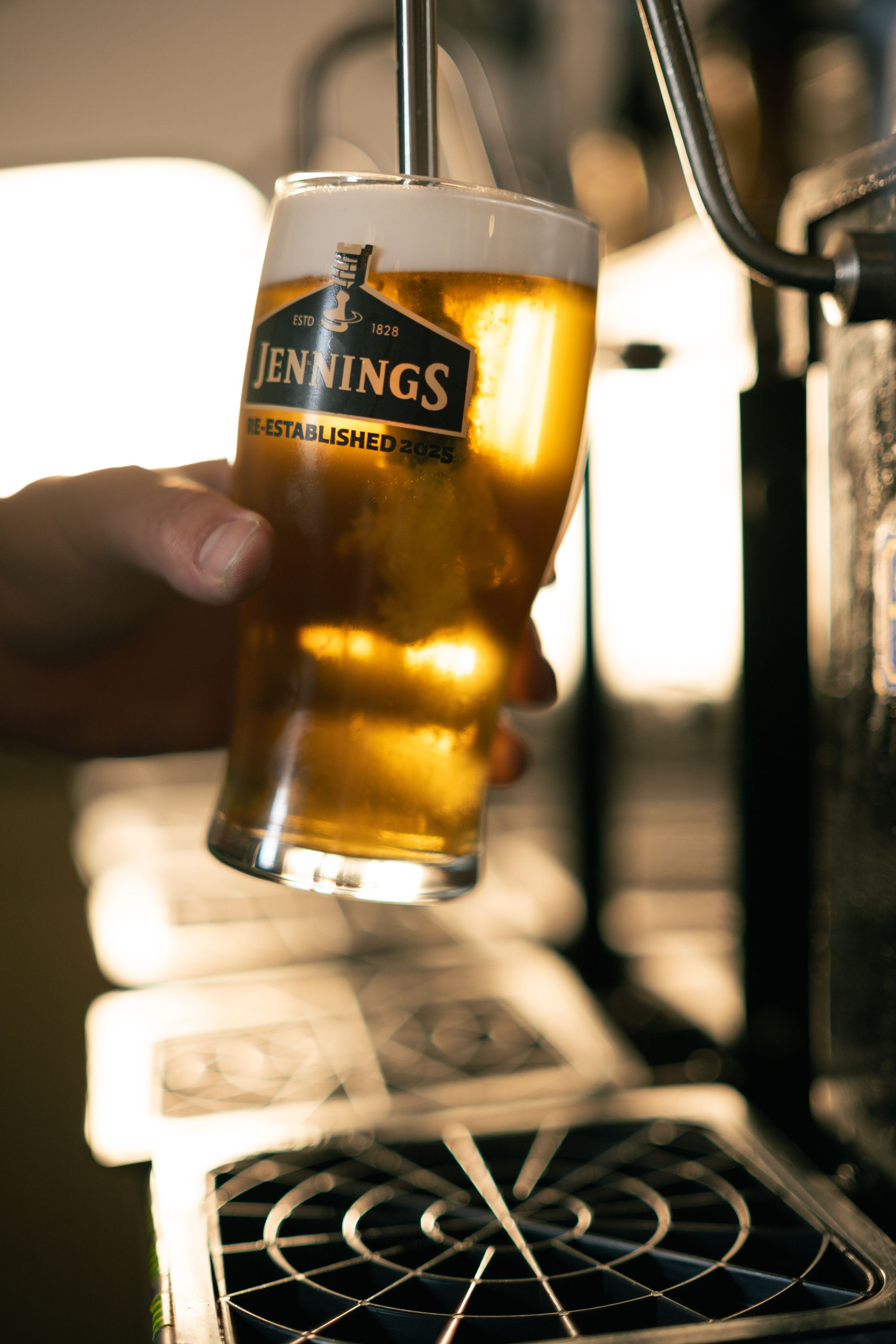

"The pure Lakeland water is also instrumental in its creation and having this natural resource on site is a gift. 'Our well water is incredibly soft and pure,' Buster says, 'and that provides the perfect canvas to build whatever style of beer we want.'"
How do we look after the Lake District's rivers?
Here in the Lakes, we know that water matters more than ever, and our rivers definitely need our help. This is why the Jennings Brewery teamed up with the West Cumbria Rivers Trust and has organised days through the summer devoted to balsam bashing, hauling Himalayan balsam up by the root before it can seed and spread. This invasive balsam, pretty enough in flower, can be ruinous to what lies underneath. It smothers the native plants that hold the banks together; it crowds out what should grow there, and when it dies back in winter, it leaves the soil bare and quick to wash away, which is the last thing a town like Cockermouth (with its all too memorable floods) needs. Pulling balsam out is wet but satisfying work, with a particular give when the stem lifts whole, roots and all. And now, on a good day, the banks of the Cocker are busy with people in waders doing the hard work to keep the river healthy.
We do this because the river is our place. We look after the Cocker for its own sake and for the town's, and we are helping fund the clean-up of the river and its tributaries the whole way up through Lorton, back to the valley where John Jennings first brewed our beer nearly two hundred years ago. It is the same care that goes into the beer alongside people who are as cock-a-hoop about water as we are.

What makes Cocker Hoop the taste of the Lakes?
That the brewery is here to do any of this was, not so long ago, in doubt. When Carlsberg moved brewing to Burton on Trent and closed the Cockermouth site in 2022, the town feared the old buildings would be lost to ruin and that a two-hundred-year-old part of itself would be lost. Instead, it came back. Revived under local, independent ownership in July 2025, with Buster in the brewhouse, Jennings has experienced the kind of response you only get when something that should never have left comes home. In short, lots of happy faces back through the taproom doors.
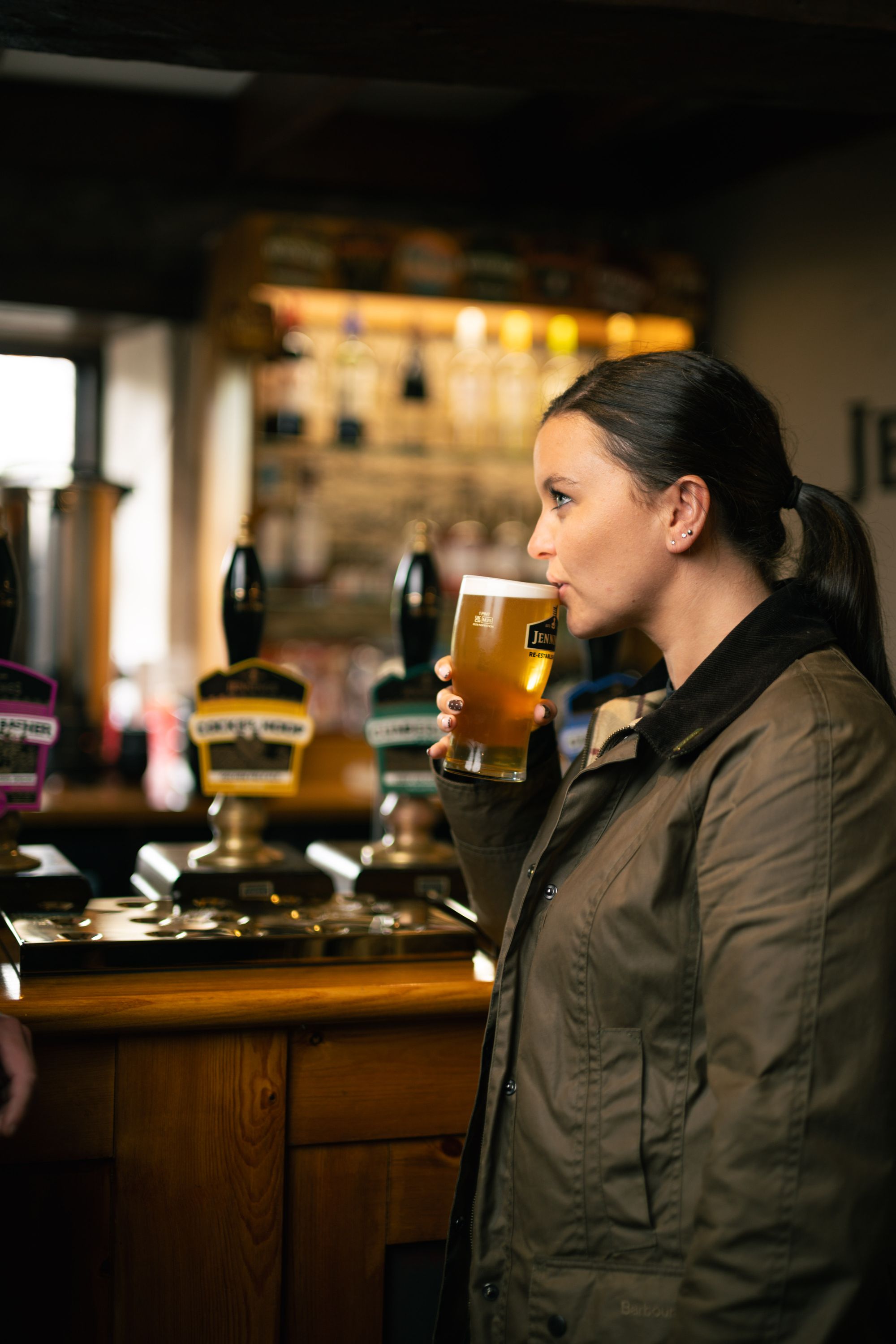
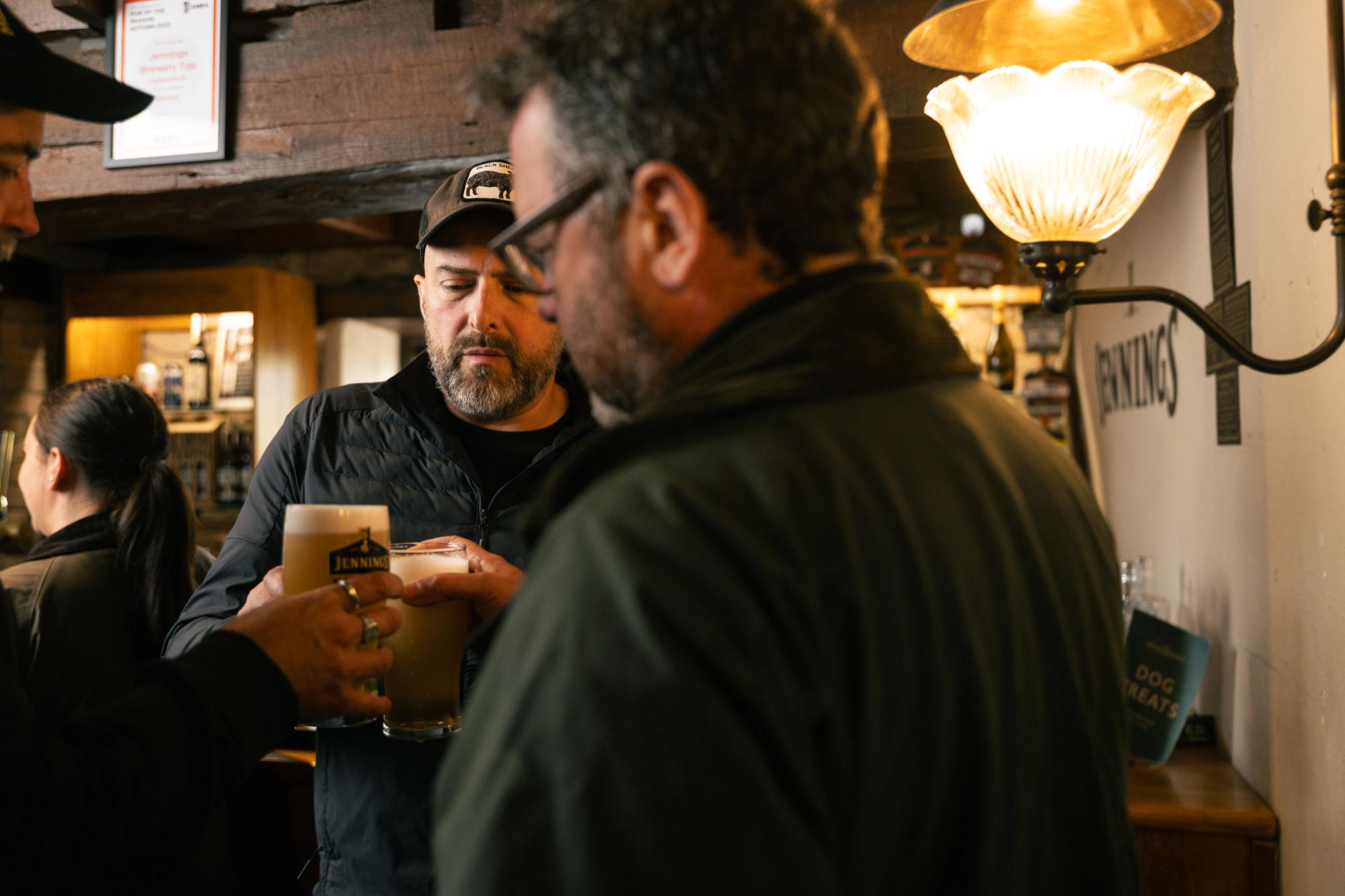
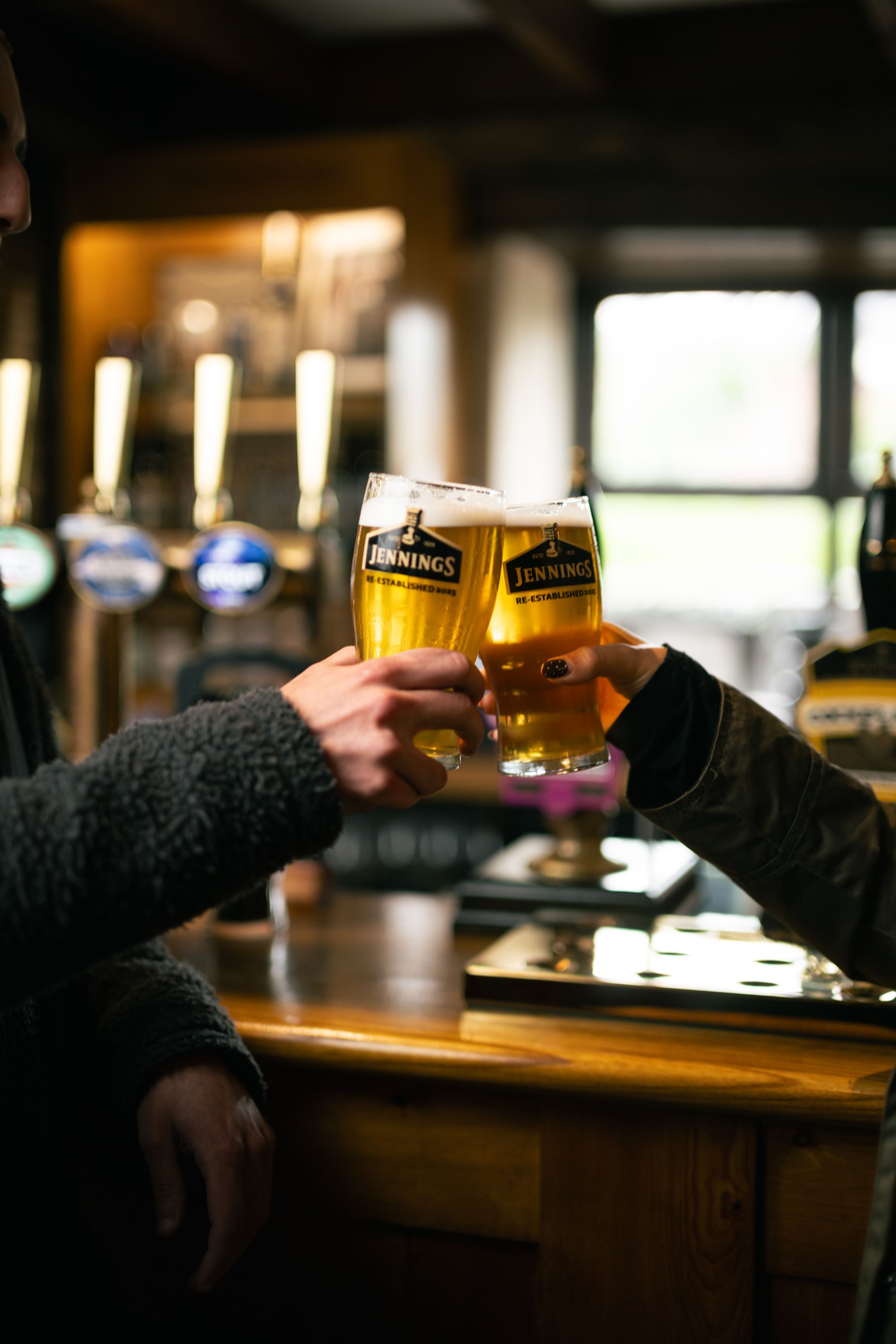
In fact, the taproom and its riverside terrace feel like the heart of Cockermouth again. There are quiz nights through the week, food and drink festivals, running clubs that meet at the door and, at Christmas, carols around glowing coals. A flight board on the bar lets newcomers sample the revived range in full, with all tasting better than ever. More often than not it is Cocker Hoop they come back for. While Jennings has been part of Cockermouth life for generations, from the horse-drawn drays that were the pride of the town carnival a century ago, to the lorry the brewery gave the newly formed mountain rescue team in 1953, the atmosphere today shows that a brewery done right feels far more like a community than a business.
And, in the end, whatever your day has involved, there is the great Lake District pint waiting for you. Whether you were born here or are visiting the Lakes on holiday; whether you have spent your hours walking the fells, lakeshores and rivers, or knee-deep in balsam, working to protect them, a glass of the finest golden bitter on the planet, standing on the terrace at sundown is always a taste of the Lakes to treasure.


