
Order the flight board at the Castle Brewery taproom in Cockermouth and you'll be presented with some beautiful looking beers. Bitters, classic ales, the kinds of dark, amber and golden brews you might expect from the most famous and oldest Lake District brewery still in existence, one that traces its roots back to 1828.
But look at the last glass, take a draught and you’ll taste a crisp, pale, unfiltered Helles lager. Now, I know what you’re thinking. Lager? At Jennings?
Feels a bit of an odd one out, right?
Wrong. It’s not at all. And let me tell you why.

The return of the Lakes’ best beers
The fact there are any beers at all on that flight board is extraordinary given the Jennings brewery’s recent history. Jennings was bought back and reborn at its Castle Brewery in July 2025 under new, local, independent ownership, following Carlsberg’s moving of Jennings’ production to Burton on Trent and its mothballing of the historic Cockermouth site as a brewery in 2022. This topped off a long period of declining fortunes involving being bought out, moved, rebadged and it was a sad but inevitable end in the Jennings story. It left a huge hole in the soul of the town whose community never imagined living without it. For generations Cockermouth had been wrapped around, and bound up with, the Jennings brewery, its workers, its sounds and scents. That delicious toasted cereal smell of the malts being brewed; the chink of the brewery workers’ boots on the cobbles, walking down the town’s alleys. Cockermouth didn’t just need the Jennings brewery; it was central to its identity, just as it had been to the Lakes more widely.
When head brewer Buster Grant arrived to help rebirth the brand, he was tasked with breathing new life into the brewery and its beers by rebuilding the core Jennings range. Using the old brew and recipe sheets, he worked from documents showing how the beers were made 10, 15, 20 and 25 years ago. And, as he puts it: ‘pretty much ignoring what happened during the most corporate times of Jennings history.’
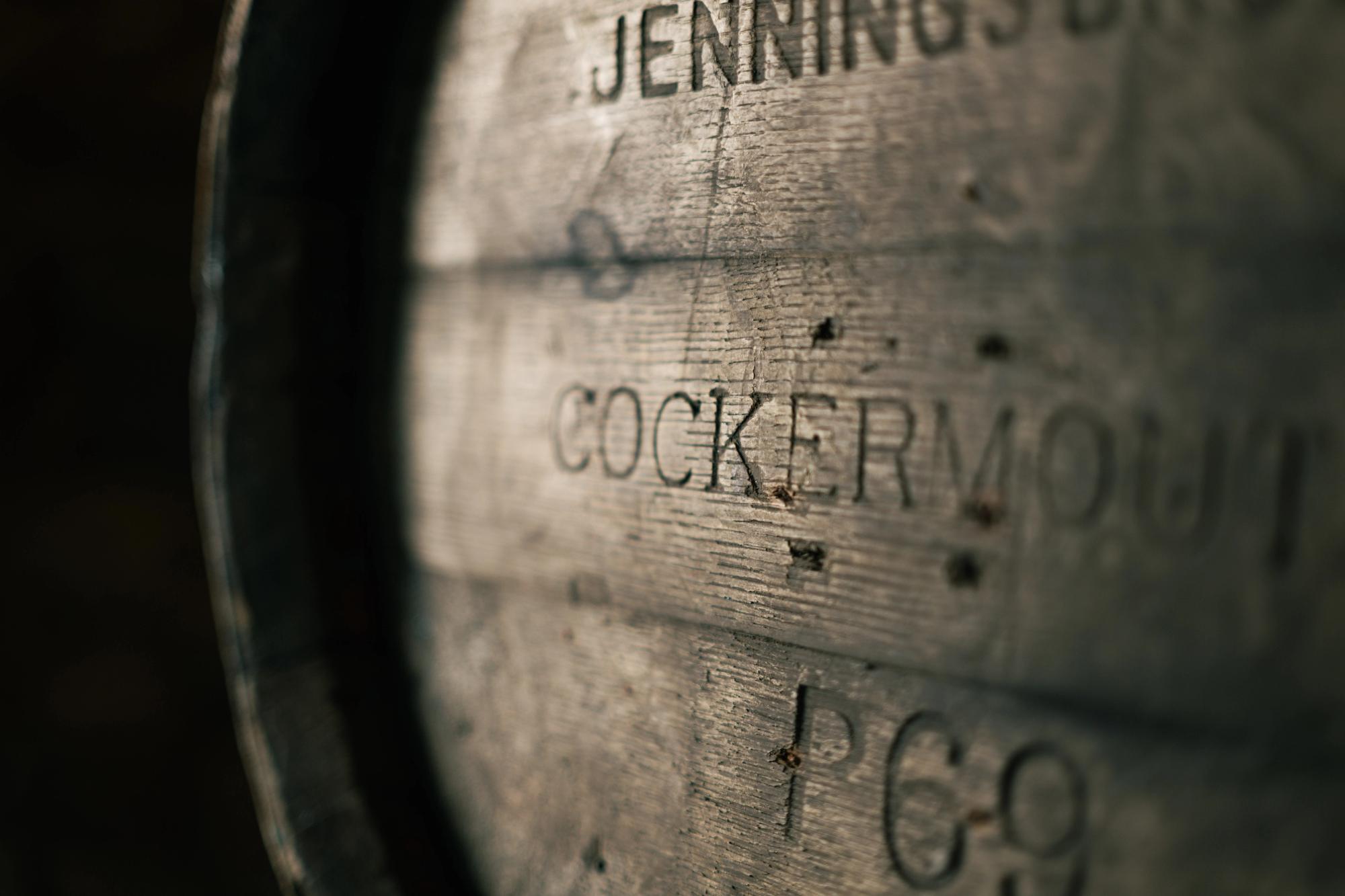
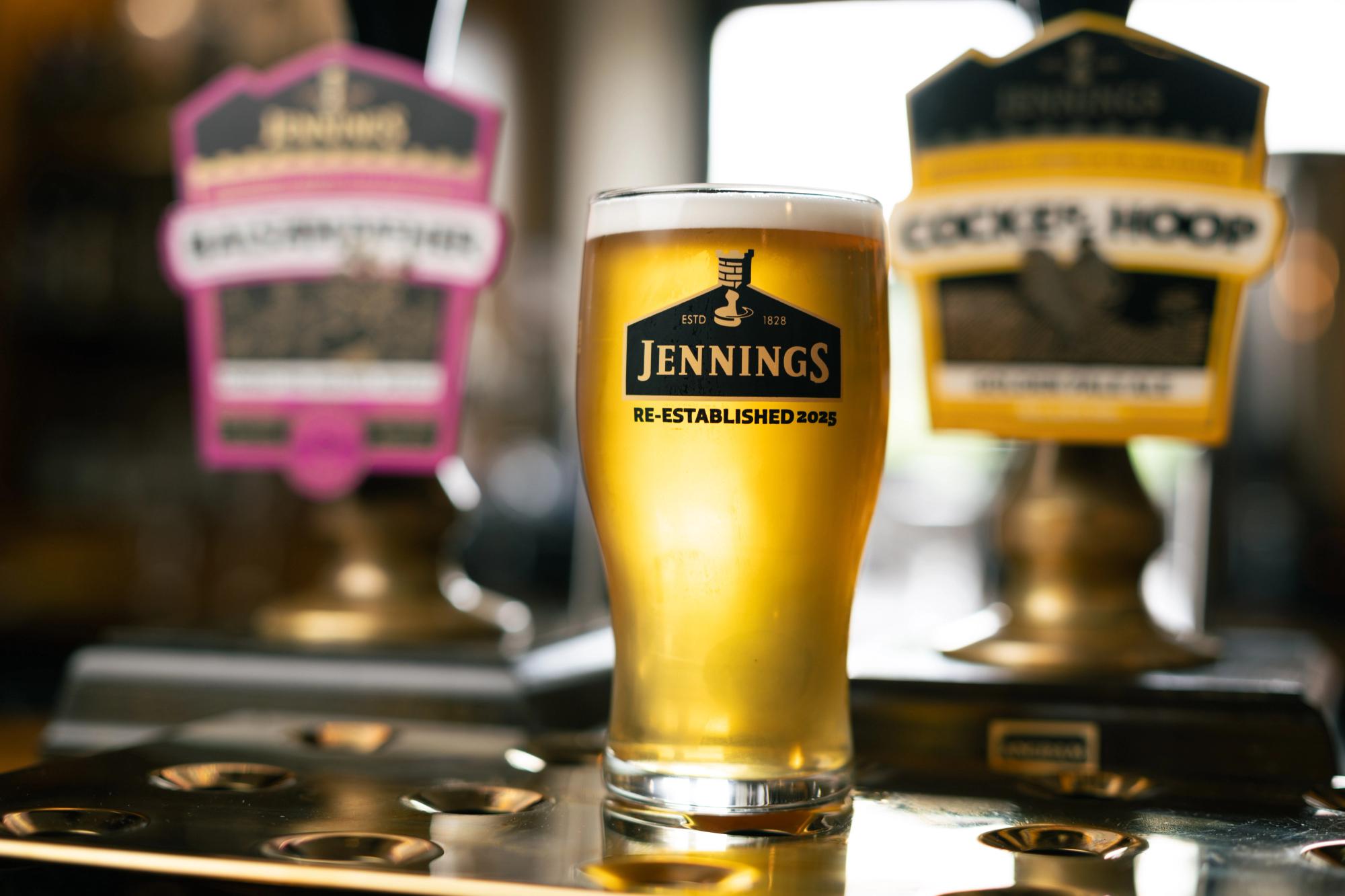
The restoration was meticulous. Cumberland Ale, that classic Lake District beer and the best known of the range, got its proper recipe back. Cocker Hoop, a paler and hoppier golden bitter, was tweaked and improved and quickly became the brewery’s biggest-selling cask beer. Sneck Lifter, a strong dark ale at 5.1%, kept its grip as the UK’s standout ruby red dark beer and the one any discerning real-ale lover reaches for first. Castle Bitter once again held its ground as the most sessionable, beautiful chestnut bitter on the market with its trademark Fuggles and Goldings and a helping of Challenger. Then there was Derwent Mild, deceptively light for its dark colour, and restored to its subtle, drinkable best. Thanks to Buster and the new team, these are beers that now remember where they came from, but taste the best they ever have. Then Jennings did something unexpected. They brewed a Helles. A lager. In Cumbria.
What is a Helles lager?
A Helles is a pale Bavarian lager: bottom-fermented, soft and malt-led, with a gentle bitterness from noble hops. The name means pale or bright in German.
The Helles is the first lager in the brewery’s history: a natural, unfiltered lager at 4.5%, launched in September 2025 and within a year, scooping SIBA North West gold for keg premium lager. The reasoning behind its creation was plain if you ask Buster. ‘Well, love it or hate it, lager is the biggest selling style of beer in the UK and across the world.’ He says with a teasing grin. ‘So not brewing one seemed to be missing a trick, especially with the establishment of our taproom bar!’
Put aside the banter though and there was far more to this than just catering for changing customer taste. Unsurprisingly, the craft behind the Helles is exact. ‘In truth, the beer is inspired by the best and most flavourful of continental lagers,’ he explains. ‘Combining noble hops with a clean, crisp character. Crucially, there are no shortcuts in the process, including the fact that we properly lager the beer.’ He says. ‘Lager means to store, so we mature the beer on its yeast at between 1 and 4°C to ensure that the flavours and character develop fully.’
But this Helles also comes with its own Lake District link. One that surprises many.

"Then Jennings did something unexpected. They brewed a Helles. A lager. In Cumbria."

Why a Lake District lager?
In 1563 Elizabeth I brought German miners to the Lake District under the Company of Mines Royal. Daniel Höchstetter of Augsburg led them to mine copper around Keswick. They lived on Derwent Island in Derwentwater, married local women, and their descendants remain in Cumbria today. The classic coiled shape of the Cumberland sausage, German-style, is thought to have arrived with them, though the spicing came later through the port of Whitehaven.
The new Helles by Jennings carries that 450-year-old thread. Chris France, managing director, saw the connection clearly. ‘Those miners had a far bigger impact on the development of the Cumberland sausage than they did on our beer culture,’ he says. ‘But it’s a new team at Jennings now and we’re keen to show that while we continue to make amazing traditional ales, we can do new things too.’
Jennings will always be a custodian of its classic range, but it makes no apology for innovating. After all, every beer style was once new, and when the best brewing water in the Lakes is on tap beneath your feet, drawn cold from the rock it has been filtering through for millennia, it would be senseless not to see what else it can do.

What water is Jennings beer brewed with?
Helles is a famously unforgiving style. There is nowhere for flaws to hide, and it demands exactly what the Jennings well gives it. Pure, soft Lakeland water filters through the bedrock and is drawn from a well sunk beneath the Castle Brewery in 1884, the same water behind every beer in the range. ‘Our well water is incredibly soft and pure,’ Buster says, ‘and that provides the perfect canvas to build whatever style of beer we want.’ Rain falls on the fells, filters through the ancient rock and gathers in the aquifer below the brewery. In the Lakes, the line between geology and flavour is a short one.
And just as tastes at the bar have changed since the days of purely ales, milds and bitters, they are changing again. More drinkers than ever are asking not what a beer tastes like, but whether they can drink it at all. Jennings has an answer to that too.

Is Jennings Helles gluten free?
Yes. Jennings Helles is gluten free in the can, as is every Jennings bottle and can across the whole range, from the classic Lake District golden ales and bitters to the dark beers. One advantage of the new ownership and re-establishment of Jennings is the freedom to rethink how everything is done. All packaged and keg beer is also vegan friendly. A gluten-free, vegan beer from the UK is rare enough; a gluten-free Lakeland bitter, mild or strong dark ale is rarer still.
This matters because gluten free is one of the fastest-growing spaces in UK food and drink and, for coeliacs and the gluten-intolerant, the pub has long felt the hardest place to join in. Usually there’s a menu of one: some mass-produced GF lager that is setting nobody’s heart alight. Jennings’ view is that great beer should be for everyone, and everyone deserves a great pint of something locally, expertly brewed.
The oldest story on the newest beer
Sit in the taproom with the newest beer on the board and a plate of Cumberland sausage, and the whole thing resolves perfectly. Ales rebuilt from the old brew sheets. One lager created, but carrying the oldest story of all.
Both are at home at Jennings.
And whether it is a glass raised after a hard day at work or a breathtaking walk, swim or scramble up a fell on a bike, this is beer brewed for everyone.


