
With the season closing in, darkness falls in Cockermouth by half past four. That classic Cumbrian rain begins drifting over from the fells and washing the cobbles on Castlegate into a perfect shine. The five-storey maltings building at the Jennings Brewery is black against a low sky and up a narrow lane, just off main street, light spills from a pub window onto the pavement. I push open the door and find low ceilings, coats steaming on their hooks and a fire working through some new logs. And right there on the bar, what else but fresh pints of that legendary dark ale with a somewhat strange name being pulled for a crowd of people. Dark, stormy, rich, complex, it looks a Lake District autumn and winter distilled and tastes heavenly.
Welcome to the home of Sneck Lifter.
What is a Sneck Lifter? The name explained
First things first. Let’s clear up the origin of the name. A ‘sneck’ is an old Cumbrian dialect word for a door latch, with a ‘sneck lifter’ originally meaning the last coin in your pocket (usually a sixpence) that was needed to lift the sneck on the pub door and buy a pint of good, strong beer. The plan being that, after that, you would then trust to the friendly company and generous spirits around you to see you right for the next few pints. In time, of course, you could get a reputation for such behaviour and a ‘sneck lifter’ also came to describe a certain type of person who’d do this a little too regularly.
It is (perhaps) the best name for a beer in England and it belongs to a strong dark ale brewed by Jennings at the Castle Brewery, a few hundred yards from where I am standing. Head brewer at Jennings, Buster Grant, who first brewed Sneck Lifter back into the range when Jennings returned to local ownership in 2025, puts its enduring attraction quite simply: ‘It’s an incredible beer with a great name,’ he says. And that, it seems, is still a fairly good recipe for success.

Despite the age of the name, Sneck Lifter was actually first brewed in 1990. It is a strong, dark real ale at 5.1%, and in Buster's own words ‘rich, complex yet a joy to drink at any time of the year.’ Of all the Jennings beers, Sneck Lifter is the one real-ale drinkers mention first, and the one Buster is asked about most when he says where he works.
‘All our beers are very different, and appeal to different people, maybe at different times,’ Buster says. ‘However, they are all part of a family, with a family’s common traits and characters, and they work well together.’ Sneck Lifter is the strong, darker end of that line. Think 85% chocolate, spices, that gorgeous silky caramel smoothness. It is perfect for short days by glowing coals, but equally as refreshing served fresh and cold on the sunny terrace at the Jennings taproom, overlooking the river.
"Sneck Lifter belongs to a particular kind of Cumbrian day. A cold walk in the western fells, the light going early, boots stamped clean of their mud and left to dry at the door...the flickering fire and a pint with some real depth of flavour to it."
How is Sneck Lifter brewed?
When Buster rebuilt the Jennings range, he says he went first to the old brew sheets and noticed that the Sneck Lifter recipe had held steady for years. ‘We looked at recipes from 10, 15 and 20 years ago,’ he says, ‘and the Sneck Lifter recipe didn't change during that time, so we saw no reason to change it either.’
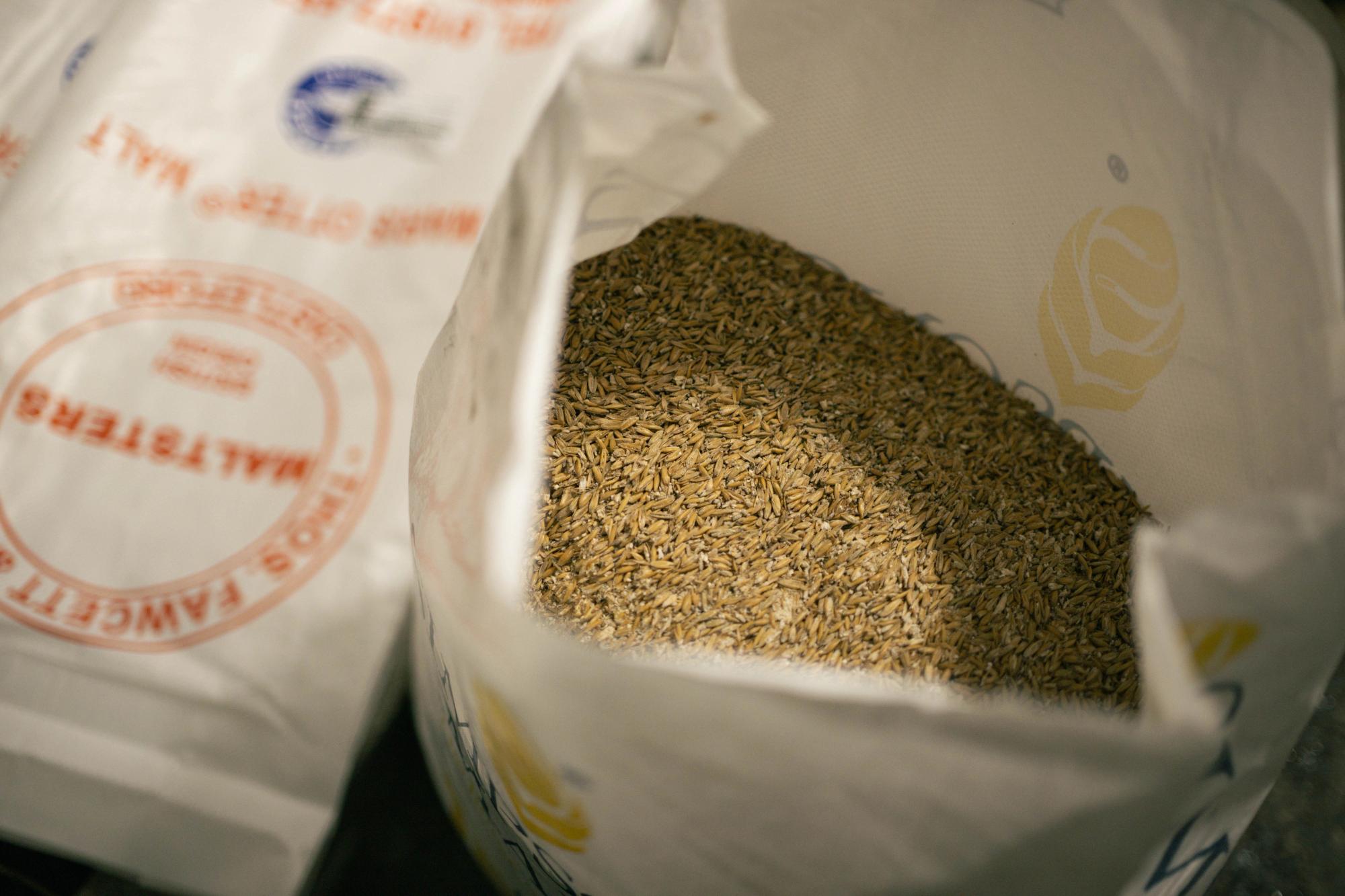
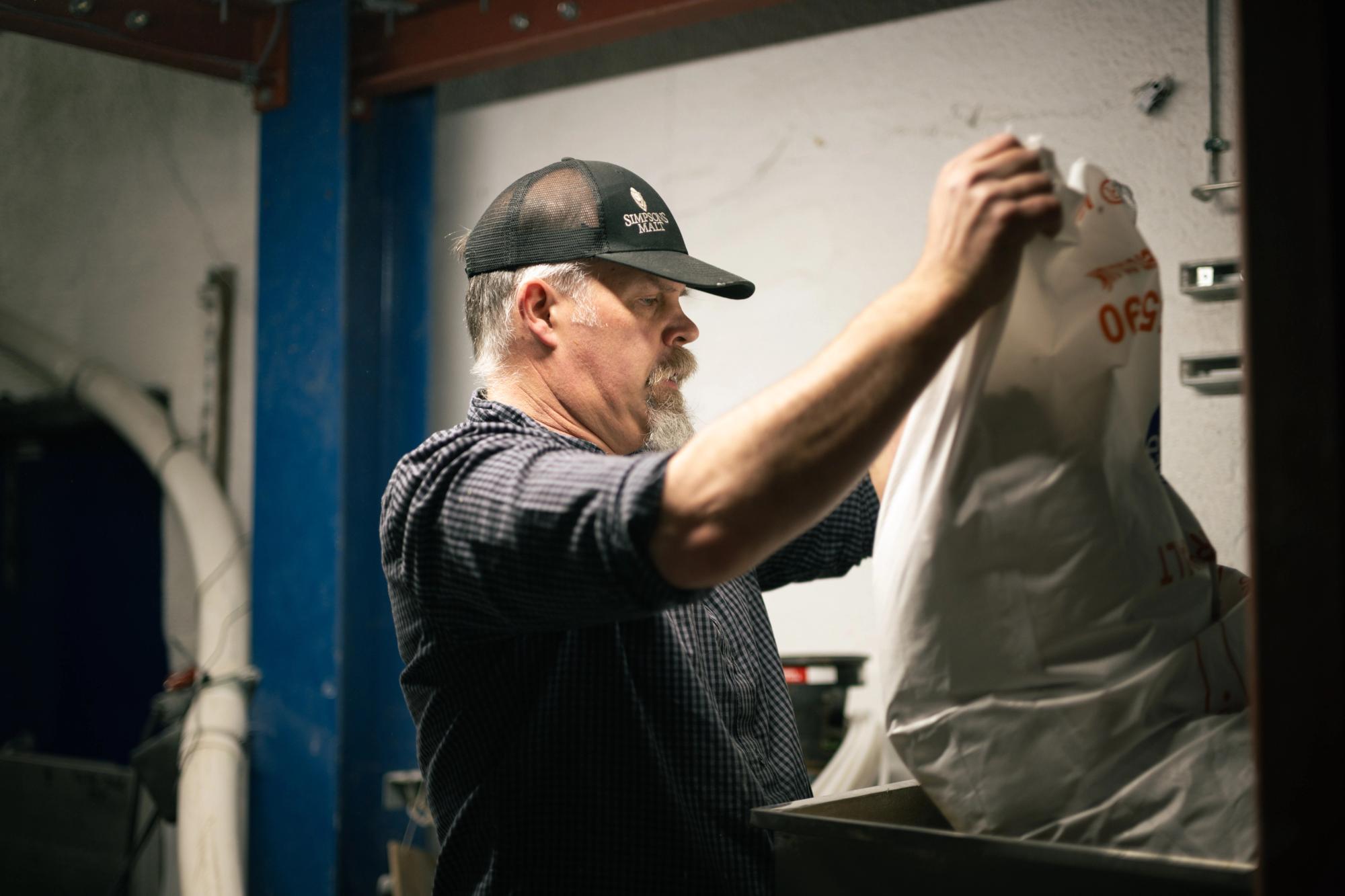
Its backbone is Maris Otter, malted by Thomas Fawcett in Castleford. ‘Maris Otter is the king of malting barleys,’ Buster says, ‘full of flavour and well deserving of its premium price.’ Onto that base go three coloured malts from Simpsons Malt. Amber brings bite and depth. Crystal draws out red hues and a burnt-sugar sweetness. Chocolate malt builds the colour and the roast. A molasses sugar folds in one more layer underneath.

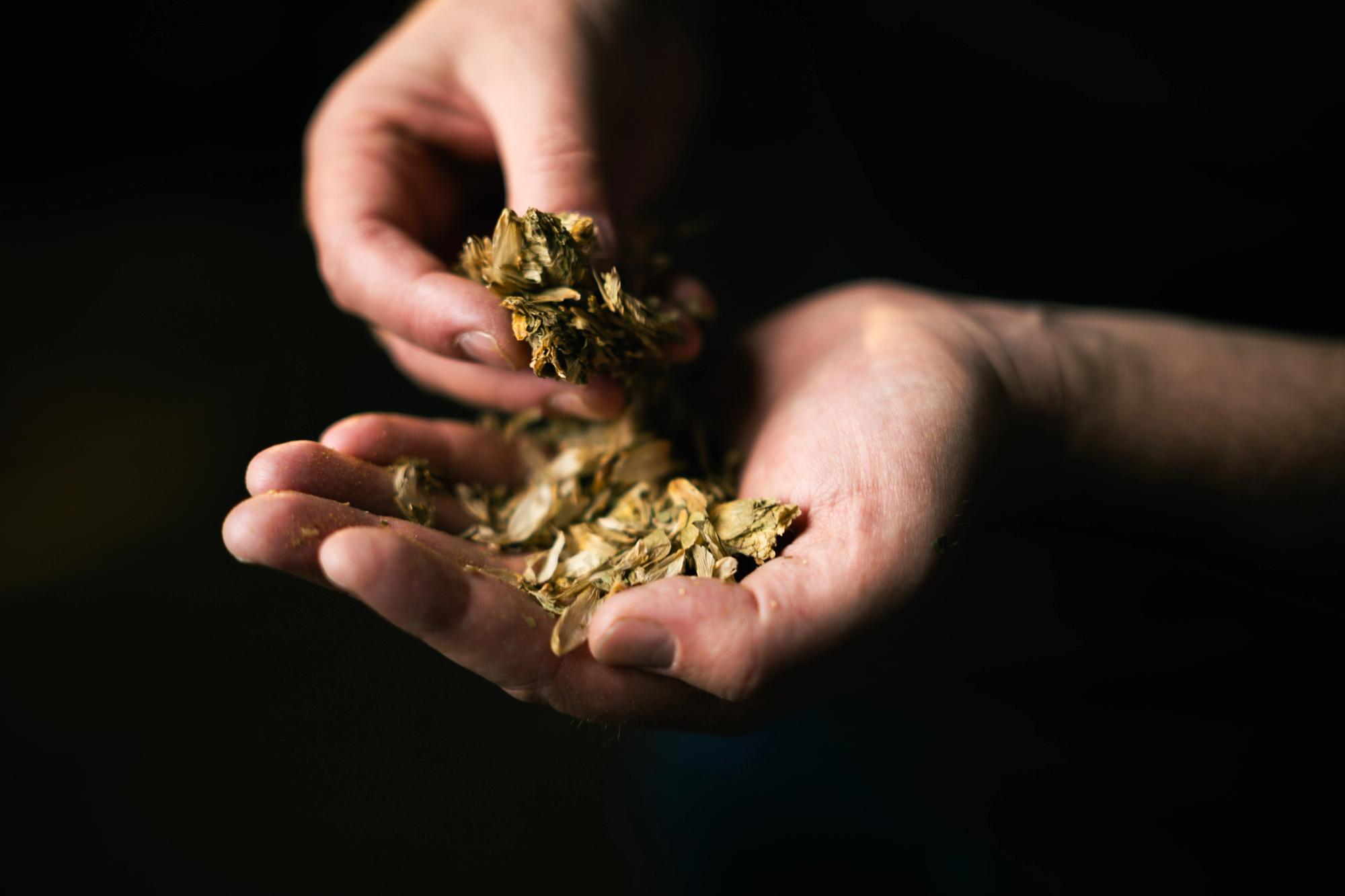
The hops are the classic English pair, Fuggles and Goldings, worked as bittering to balance the malt, with Challenger added for an earthy, spicy aroma. They come from Haffenden Farm in Kent, where the Hukins family have grown hops for generations.
Then the craft is knowing when to stop. ‘The whole art,’ Buster says, ‘is balance. You don't want too much sweetness (cloying), or too much bitterness, so everything has to work together in harmony.’ Ask him the hardest thing to get right in a beer this strong and the answer is two words. ‘That balance.’

What water is Jennings beer brewed with?
When Jennings moved to its current site in 1874, the primary reason was water, and water purity. The Castle Brewery has an ancient well, from where its brewers could draw pure, soft Lakeland water that has filtered through the Cumbrian bedrock for millennia. This is the untouched water resource Jennings still brews every beer with and it is completely separate from the rivers Cocker and Derwent that run close by.
Having the well on site gives the brewery control that few others have. Buster is clear about the advantages this brings: ‘None of the dreaded chlorine or other commercial additives come near our brews.’ He explains, describing the water plainly. ‘The well water’s softness and purity mean that it works well as a base for all styles of beer.’ There’s no doubt that winning back permission to draw from this pure Lakeland well was one of the milestones of the whole Jennings revival and central to its character.

What is the history of dark beer?
Britain and Ireland practically invented dark beer. Porter appeared in early 1700s London, a strong brown beer said to be named for the market porters who drank it by the gallon. Stout came next, and the name is the clue to what it was. Back then ‘stout’ meant strong, so a ‘stout porter’ was simply a stronger, beefier porter. Over time the drinkers dropped the second word and the strong stuff became known, simply, as stout.
Mild was the most-drunk beer in England well into the 1960s, then all but vanished inside a single generation as keg bitter, pale ale and lager took over pubs.
Ask Buster why the country drifted to pale and lager and he does not reach for nostalgia. ‘Bluntly, the advertising spends of multinational businesses,’ he says. Porter and then mild were once brewed and drunk in vast volumes; lager displaced them and paler ales followed the trend.
Dark beer, though, never actually went away. ‘And there is certainly an argument that interest in them has increased significantly over the last few years,’ Buster says, ‘not least due to changing drinking habits caused by Covid and the rise in the costs.’ When people go out for fewer pints, it seems they want the pint to be worth it.
But there is a myth to bust along the way. A dark beer does not have to be thick or heavy. ‘Just try the right beer,’ Buster says. ‘Preconceptions are always hard to break, but there are so many styles, flavours and types of dark beer, there will be one to suit anyone.’ He cites another Jennings favourite as an example. ‘Dark beers don't have to be thick and chewy,’ he says. ‘Try a pint of Derwent Mild on our terrace when the sun is out, and you’ll be amazed at how light and refreshing it is, despite its colour.’
Why is Sneck Lifter the beer for Lake District winter walks?
Sneck Lifter belongs to a particular kind of Cumbrian day. A cold walk in the western fells, the light going early, boots stamped clean of their mud and left to dry at the door. Then the old latch, the flickering fire and a pint with some real depth of flavour to it. And Buster does not hesitate when asked to name his favourite time and place. ‘A pint of Sneck whilst sat, wet clothes steaming, next to a fire in a warm and cosy pub after a long winter's walk is just…perfection.’
I couldn’t agree more.
The fire has settled. The rain has turned to sleet and it hits the windows and streaks the glass. My pint is nearly empty. It was bought via contactless, rather than with my last sixpence, but were it a century or more ago and had I only the coin, I’d have gladly given it over for this.
Now I just need to work out which friendly face will be happy to get me my next one…


